
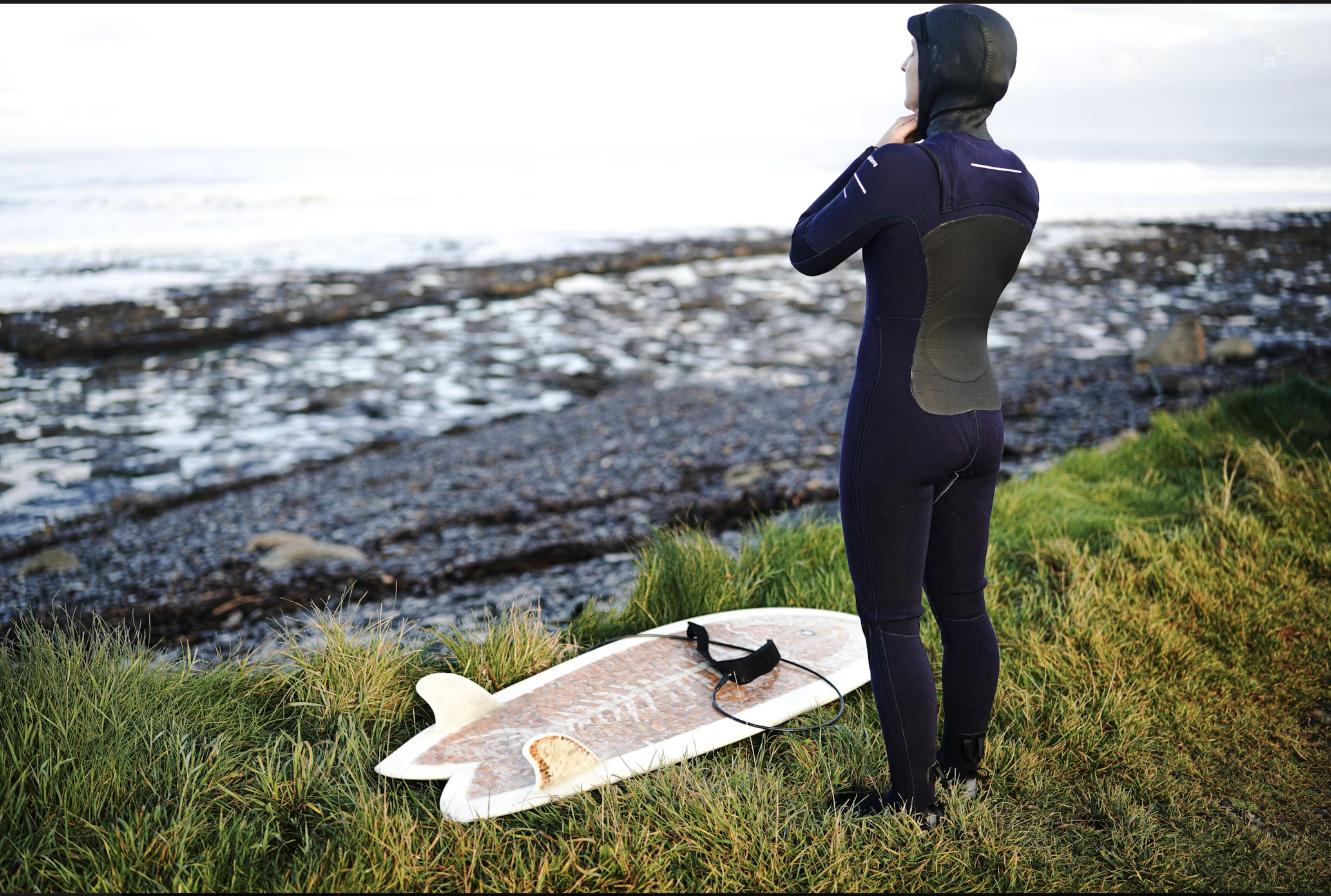

Buying the wrong wetsuit is one of the fastest ways to cut a good swell short. This wetsuit buying guide covers exactly what matters for surfing Victoria’s Surf Coast, where water temperatures swing from bearable to genuinely cold depending on the season.
Start With Thickness
Wetsuit thickness is described in millimetres, such as 3/2mm or 4/3mm, referring to the torso and limb thickness. For Victorian water, a 4/3mm steamer covers most of the year, while a 5/4mm with a hood is worth considering for the depths of winter if you run cold.
Seams and Seals Matter More Than Brand Names
Two suits with identical thickness can feel completely different in the water depending on seam construction. Flatlock seams are fine for warmer conditions but let water through, while glued and blind-stitched or fully taped seams keep you noticeably warmer in the conditions this coastline serves up for most of the year.
Don’t Skip the Extras
Boots, gloves and a hood make a bigger difference to comfort than most people expect, particularly on early morning sessions in winter. Hands and feet lose heat fastest, and cutting a session short because your fingers have gone numb is entirely avoidable with the right accessories.
Fit Beats Everything Else
A wetsuit that’s technically the right thickness but doesn’t fit properly will always underperform one that fits well. Loose material around the torso or limbs lets water flush through the suit, undoing much of the insulation you paid for. Try before you buy where possible, and pay attention to how the suit feels through the shoulders once you paddle.
🌊 After the Session: LEUS Eco Towels
Once you’re out of the suit, a proper quick-dry towel makes the walk back to the car a lot more comfortable. LEUS towels are sand-free, quick-dry and made from recycled bottles.
Get the thickness, seals and fit right, and the right wetsuit stops being something you think about at all — which is exactly the point.